KEY RESULTS
- 11%
- centrifuge polymer cut
- Lower centrifuge stress
- Output quality maintained

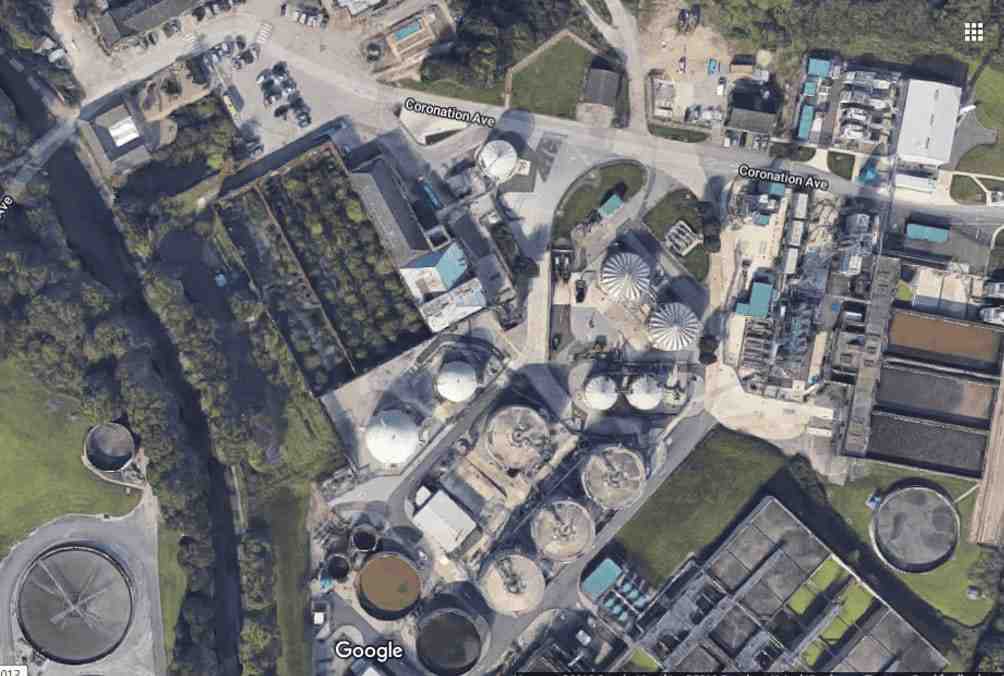
The trial cut polymer use by 11% on matched centrifuge runs while cake dryness and centrate TSS stayed within acceptable operating limits. Higher differential RPM on the treated line indicated lower centrifuge stress, and switching the unit off quickly caused visible loss of flocculation.
Sludge dewatering polymer reduction was the goal at a Yorkshire wastewater treatment works dosing heavily with polymer on its dewatering centrifuges. The works could not simply dose less: cutting polymer risked floc loss, cake dryness had to be held near 21% to feed the thermal hydrolysis plant, and centrate quality had to stay within process limits. During an October to November 2018 trial, one HydroFLOW® i160 was fitted to the incoming sludge feed pipe before polymer injection on centrifuge 3. Polymer use fell by 11% on matched centrifuge runs, while cake dryness and centrate TSS stayed within acceptable operating limits.
The Challenges
- Sludge dewatering polymer reduction was needed, with high dosing on the centrifuges
- Any cut in polymer dosing risked floc loss
- Cake dryness had to stay near 21% to feed the thermal hydrolysis plant (THP)
- Centrate quality had to remain within process limits
The works needed sludge dewatering polymer reduction, so the unit was fitted to the sludge feed pipe on centrifuge 3, ahead of polymer injection. Less polymer was used with the HydroFLOW® unit during matched runs, and switching it off quickly caused visible loss of flocculation. Cake dryness and centrate TSS stayed within acceptable operating limits, and higher differential RPM on the treated line indicated lower centrifuge stress.
All results in this study were measured and verified by third-party facilities managers and technical staff.
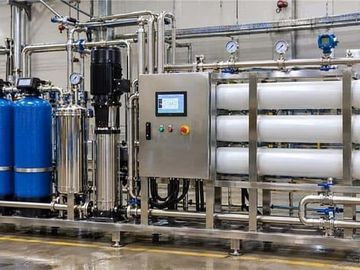
HydroFLOW® helped double RO output from 12 to 24 tonnes an hour in 15 days at a Guangdong PCB factory, with permeate conductivity down about two-thirds.
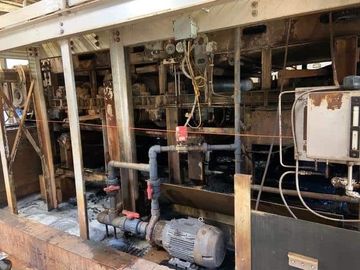
A HydroFLOW® i160 trial on a Guelph WWTP belt press recorded no new struvite over 60+ days, while maintenance downtime fell from three days to six hours.
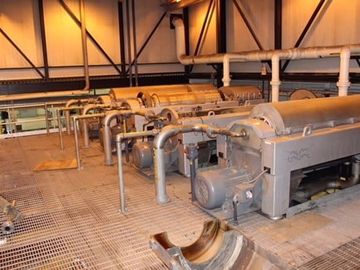
A HydroFLOW® i160 kept centrifuge ports and centrate pipework clear of struvite at Hamilton’s Woodward Avenue WWTP, with payback under a year.