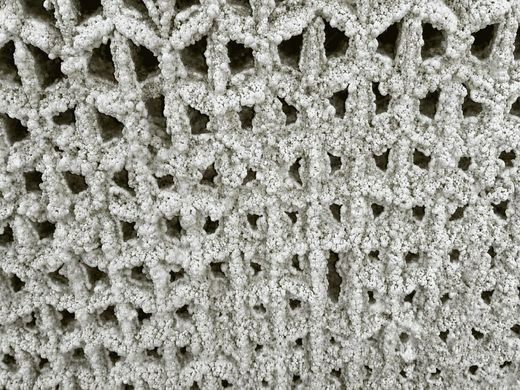
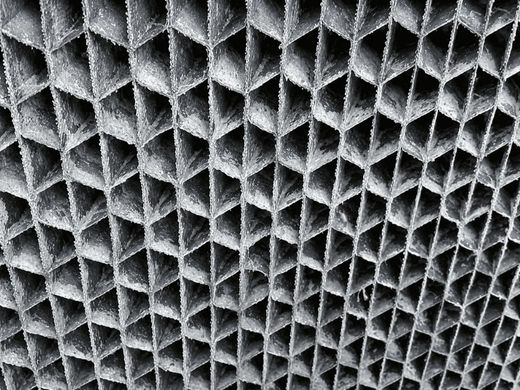
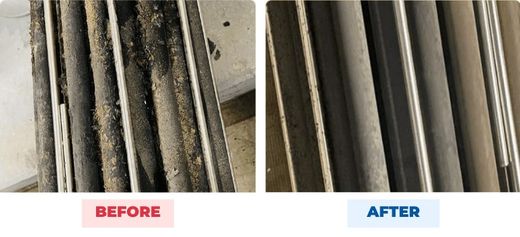
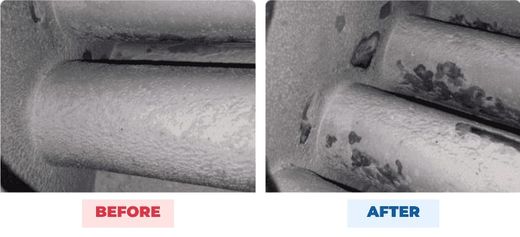
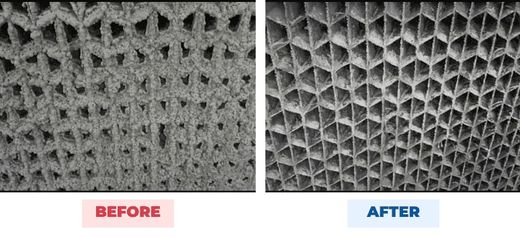
A hospital brings together the conditions Legionella requires and the patients least able to withstand it: extensive water systems with long runs, dead legs, blended outlets and stored hot water, alongside patients who are immunocompromised, elderly or recovering from surgery. Legionella in hospitals multiplies within biofilm rather than in clean water — and limescale is what gives that biofilm its foothold, offering a rough, porous surface to anchor to, nutrients to draw on and cover from disinfection. The scale and biofilm lining pipework, calorifiers and cooling towers constitute the habitat itself.
These conditions place estates teams in a demanding position:
- Stored hot water, the hot water return and dead legs are where Legionella most often multiplies
- Limescale gives biofilm a rough, porous surface to colonise and the nutrients to grow
- Biofilm and scale together shield bacteria from chlorine and thermal disinfection
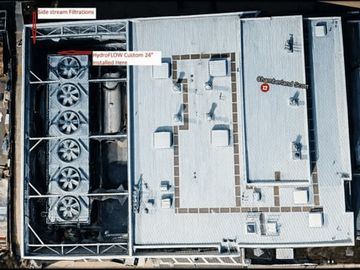
- Cooling towers and chillers present both a hygiene and an efficiency risk
- Every intervention must compete with clinical operations, as the system cannot simply be taken offline
Address the deposit and the disinfectant can perform its function. When biofilm and scale are controlled physically, an existing regime acts on the bacteria rather than on the layer concealing them.