Hotel & Resort Applications

Hotel Water Treatment

Keep Hot Water Flowing
Control Scale & Legionella
Protect Every Stay

HydroFLOW® conditions hotel water electronically, no chemicals, no salt, no cut into the pipe, fitted while the hotel operates. Calorifiers and heaters stay clean, fixtures stop blocking, and temperature and chlorine reach the bacteria they are aimed at.

  • 75%Less water-heater cleaning, with weekly low-flow alarms now rare — 136-room hotel, San Antonio, Texas
  • 6 mthsWithout hot-water tank cleaning, up from every 6 weeks — and 3 suites back in service. Redwood Inn & Suites, Alberta
  • <10 CFU/LLegionella in every certified sample, as part of a control programme — Grand Hotel Terme di Comano, Italy
  • 30 minKitchen steamer cleaning, down from a full day — theme park and two hotels, Hong Kong

Results from documented case studies; vary by water hardness, system design and baseline operation. View all hotel case studies →

Hard Water Costs a Hotel Twice — Plant Room and Guest Room

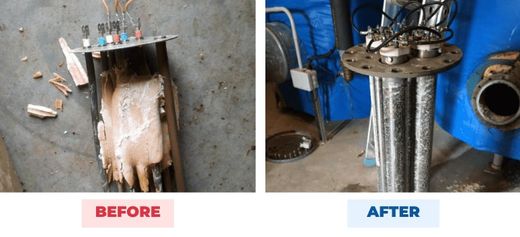
A hotel has no practical choice of water source. Supply comes from the mains or, at resort scale, a private well, and across much of the world it is hard — carrying dissolved calcium and magnesium that precipitate wherever water is heated. The systems affected first are the ones every stay depends on: calorifiers and hot-water tanks, tankless heaters, heat exchangers, dishwashers, steamers and the laundry. Scale insulates heating surfaces, so fuel use rises; it blocks tank drains and strainers, so maintenance intervals shorten. At the 92-suite Redwood Inn & Suites in Alberta, two hot-water tanks required a full maintenance day every six weeks to stay ahead of the deposits.

The same deposits reach the guest directly. Scale-blocked showerheads and aerators reduce pressure and hot-water delivery, furthest rooms first; deposits inside the dishwasher leave glassware cloudy and spotted; and at a 136-room San Antonio hotel, blocked strainers and fixtures had reached the point of room discounts and full refunds before the cause was identified. Scale also compounds the water-safety problem: its rough surface supports biofilm development, and biofilm shelters Legionella from the temperature and chlorine regime intended to control it.

Typical signs a hotel's water systems are scaling up:

  • Low-flow alarms, guest complaints about pressure, and strainers or screens that block on a regular cycle
  • Hot water running out or arriving lukewarm in the rooms furthest from the calorifier
  • Showerheads and tap aerators crusting over faster than housekeeping can descale them
  • Glassware coming out of the dishwasher cloudy or water-spotted despite fresh rinse aid
  • Tank or calorifier cleaning intervals shortening, with drains that need pressure-jetting to clear
  • Legionella sampling results that improve after each disinfection, then drift back
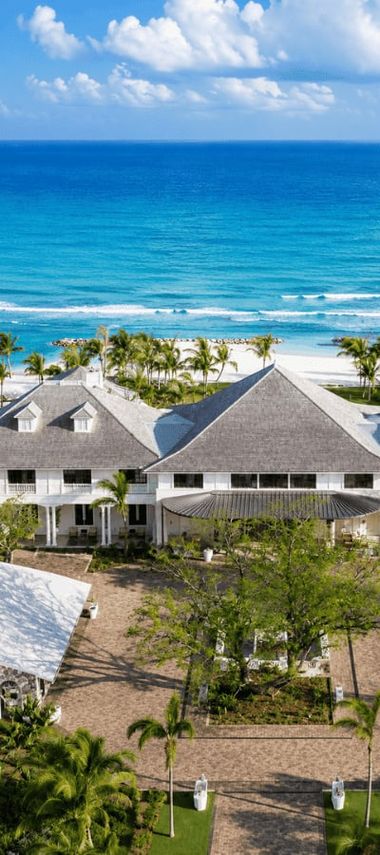
Aerial view of Half Moon resort on the Jamaica coastline treated with HydroFLOW hot water heater scale protection

Just 1 mm of scale can cut heat-transfer efficiency by around 7-10% — on a calorifier or water heater serving hundreds of showers a morning, that surcharge is paid on every litre heated between cleans.

HydroFLOW® is not a disinfectant and does not sanitise water. It does not replace your Legionella risk assessment, temperature regime, sampling programme or any duty under ACOP L8 — it controls the scale and biofilm that make those controls work harder than they should.

How Much Water Does a Hotel Actually Use?

Water runs through every part of a hotel's operation — guest bathrooms, kitchens, laundry, pools and spas, cooling towers and the hot-water plant behind them all. Most of it is heated, and that is where hard water takes its share: scale forms fastest exactly where the energy is spent. The duty side is equally fixed: in the UK, ACOP L8 and HSG274 Part 2 make Legionella control in hot and cold water systems a legal responsibility of whoever manages the premises, and Europe's ELDSNet surveillance scheme ties every reported travel-associated case to the accommodation where the guest stayed.

  • ~300 litres per guest, per night

    European hotels average around 300 litres of water per guest night — roughly double what the same person uses at home — with efficient operators managing nearer 140. Most of the difference runs through showers, laundry and kitchens: heated water, through scaling systems.

  • ~20% of a hotel’s energy heats water

    US survey data puts water heating at about a fifth of a lodging building's energy end use — as much as space heating. Every millimetre of scale on that plant is paid for in fuel before it is paid for in maintenance.

  • Legionnaires’ cases at record rates

    Europe's Legionnaires' disease notification rate rose to 3.4 per 100,000 in 2024, and ECDC's ELDSNet scheme names accommodation sites linked to travel-associated cases. A listing brings inspections and can cost a hotel its tour-operator contracts — water safety is a commercial exposure, not only a legal one.

Interpreting the claims on this page: water-safety figures deserve scrutiny, so this page hedges where its sources hedge. HydroFLOW® is not a disinfectant — your temperature regime, sampling programme and risk assessment stay exactly where they are. What the case studies show is narrower and more useful: when scale stops forming and biofilm is disrupted, the existing controls reach the bacteria they are aimed at. At Grand Hotel Terme di Comano, certified testing found Legionella below 10 CFU/L in every sample after HydroFLOW® was installed as part of a programme that also included thermal shock and purging — and levels stayed within limits seven months on. Every figure here traces to a named case study document.

The True Cost of Untreated Water

The cost of untreated water is distributed across several budget lines — energy, maintenance, rooms out of service, guest compensation and compliance exposure — which is why it is rarely quantified as a single figure. The sections below set out where it accumulates.

  • Scale in Calorifiers, Tanks & Water Heaters

    Heat drives minerals out of solution onto the very surfaces that transfer it. The cost lands twice: extra energy through the scale layer on every litre heated, then labour and downtime to drain and clean the vessels.

    ✓ With Hydropath Heating surfaces stay clean and existing deposits release — at Redwood Inn & Suites, Alberta, six-weekly tank cleaning was not needed for six months, and scale accumulation fell 94%.

  • Blocked Fixtures & Falling Water Pressure

    Every litre leaves its minerals at the smallest orifice. Pressure falls room by room, low-flow alarms multiply, and housekeeping descales fixtures on a rota that only shortens.

    ✓ With Hydropath With Hydropath Mineral ions cluster together under the signal and crystallise in suspension rather than on the fixture at a 136-room San Antonio hotel, flow improved within a month, weekly low-flow alarms became rare and clogged showerheads cleared.

  • Biofilm & Recurring Legionella Results

    Long pipe runs, empty rooms and warm return loops give biofilm what it needs. It shelters Legionella from temperature and chlorine, so results improve after every disinfection and then drift back.

    ✓ With Hydropath The signal disrupts biofilm and keeps working on water standing overnight — at Grand Hotel Terme di Comano, certified testing found Legionella below 10 CFU/L in every sample, and still within limits seven months on, with HydroFLOW® installed as part of a programme that also included thermal shock and purging.

  • Kitchen & Laundry Equipment Fighting Its Own Deposits

    Dishwashers, steamers and laundry equipment concentrate hard water and heat in a small space. Scale on elements trips cut-outs, water spots reach the tables and linen, and cleaning becomes a shift of its own.

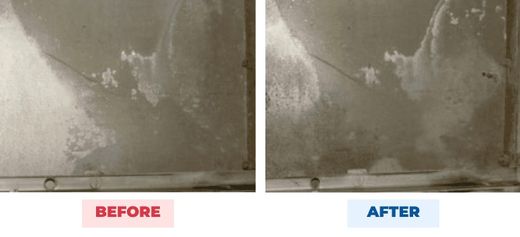
    ✓ With Hydropath Treated water keeps elements and internals cleaner — at a Hong Kong theme park's hotels, steamer cleaning fell from a day to 30 minutes; a Waikiki hotel cut dishwasher scale and water spots within 60 days.

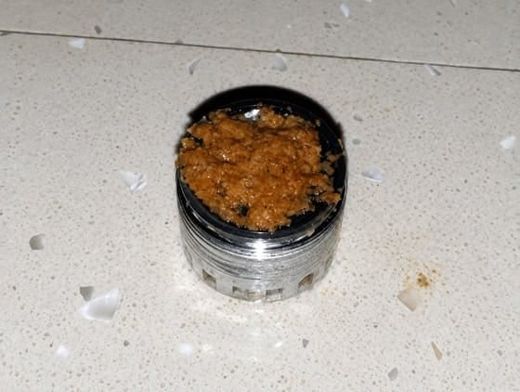
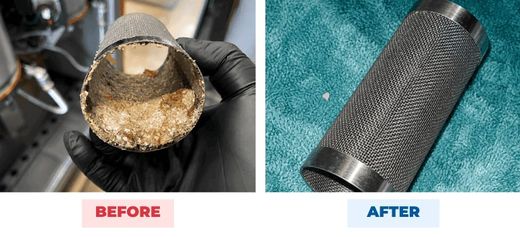
Tap jet breaker completely blocked by orange-brown biofilm before HydroFLOW treatment, Grand Hotel Terme di Comano, Trentino, ItalyBefore
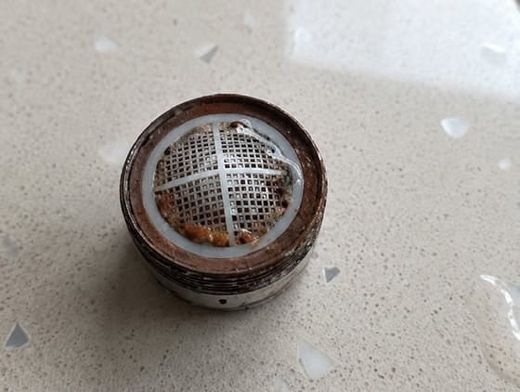
The same jet breaker cleared of biofilm after HydroFLOW treatment, mesh visible, Grand Hotel Terme di Comano, Trentino, ItalyAfter

Grand Hotel Terme di Comano, Trentino: Legionella kept returning to this 55-room hotel's hot-water network after each sanitisation, reaching 10³–10⁴ CFU/L, with biofilm in the pipework indicated as the source. With one HydroFLOW® C100 on the incoming main and two P60 units on the hot-water manifolds — as part of a programme that also included thermal shock and purging — certified testing found Legionella below 10 CFU/L in every sample, and levels remained within limits seven months later. The plumber reported visibly cleaner boilers, pipes, filters and shower heads. Read the case study →

Where the Savings Add Up

Scale and biofilm carry a continuous cost across a hotel’s water — fuel, maintenance days, equipment life, rooms out of service and the reviews that follow. Hydropath addresses six of the most significant recurring costs.

Don’t take our word for it — test it on your own site.

Every energy, maintenance and rooms-out-of-service figure on this page is designed to be independently verified using a documented, step-by-step testing protocol run on your own calorifiers, water heaters, kitchens and laundry.

Hotel Water Treatment Physical, Not Chemical!

A physical scale inhibitor for calorifiers, water heaters, kitchens, laundry and pools, powered by a patented electronic signal

HydroFLOW® induces a patented ~150 kHz signal into the water through the pipe wall. The signal changes how dissolved minerals behave: instead of bonding to heating elements, tank walls and fixtures as hard calcium carbonate scale, calcium and magnesium ions form loose clusters in the water. Where the water is heated — at a calorifier coil, a dishwasher element, a shower mixer — those clusters crystallise in suspension, as fine particles carried through the system rather than fouling the surfaces they pass.

The result is scale control at the point where deposits are born — the moment of crystallisation — with no salt, no dosing and no cut into the pipe. The signal propagates in both directions through the pipework, so a single unit on the incoming main or a plant-room feed protects the circuit beyond it. It works on copper, steel and plastic alike, and it continues working on water standing in the system overnight, in unoccupied wings and through seasonal closure — exactly the low-usage periods when scale settles and biofilm consolidates.

Because the treatment alters how minerals behave rather than what the water contains, nothing enters the water and its composition, hardness reading and taste are unchanged — no salt, no residue, and nothing new for guests to notice or for your water safety file to declare. Your potable-water duties, temperature regime and sampling programme stay exactly as they are; we can supply the technical documentation your risk assessor asks for.

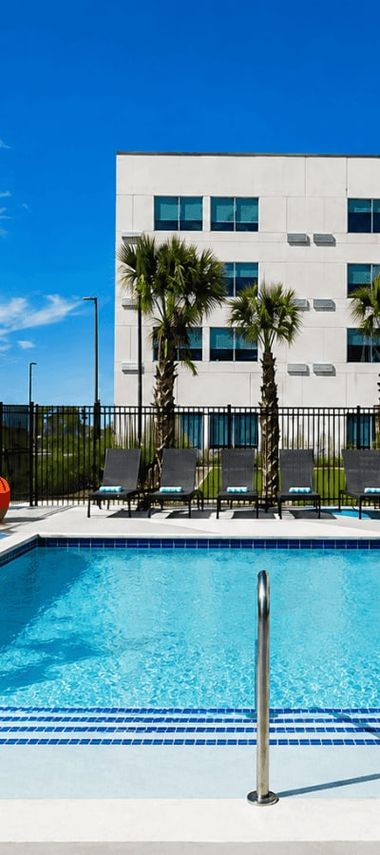
Hotel outdoor swimming pool restored to clear blue water after HydroFLOW chemical-free pool water treatment

A Different Approach to Hotel Water

How HydroFLOW® compares with the usual ways of protecting hotel plant from hard-water scale.

HydroFLOW®Physical conditioner — no chemicalsSalt water softenerAntiscalant / chemical dosingAcid descaling
How it worksElectronic signal crystallises minerals in suspension so they cannot bond as scale in calorifiers, heaters and fixturesRemoves calcium & magnesium from the supply by ion exchange, substituting sodiumDosed chemistry interferes with crystal growth or holds minerals in the waterAcid strips deposits after they have formed
Effect on guest water & tasteNone Nothing added; composition, hardness reading and taste unchangedAltered Raises sodium in the water guests drink and shower in; softened-water feel divides guestsManaged Dosed product in the system; dose control and records to keepNone Systems rinsed before return to service
Peak morning demandUnaffected No flow limit and no regeneration cycle — the signal treats whatever the pipe carriesSized to peak Must be sized and twinned for the 7am shower load; regeneration water and salt logistics on topUnaffected Dosing follows flowOffline Vessels drained and out of service for every clean
ConsumablesNone No salt, no acid, no dosingRegular salt deliveries, storage and regeneration waterContinuous chemical purchase, storage and COSHH handlingAcid, neutralising and labour at every clean
Removes existing scaleYes Gradually redissolves depositsNo Prevention only, downstream of the unitPartial Depends on dose and programmeYes But with downtime and metal loss at every clean
Legionella programme compatibilityWorks alongside Disrupts the biofilm that shelters bacteria — your risk assessment, temperature regime and sampling stay in placeIndirect Softening does not address biofilm or existing scaleParallel A second chemical programme to run and record alongside the firstReactive Cleans vessels but does not stop deposits returning
Downtime to fitNone Installs around the existing pipe; no drain-down, no rooms out of serviceCut-in installation, drain-down, drainage and powerInjection point, dosing pump, tank and monitoringSystems offline for every clean

Comparison reflects typical products in each category; individual systems vary. HydroFLOW® is not a filter and not a disinfectant — filtration, disinfection and the site's Legionella risk assessment and ACOP L8 duties remain in place.

Applications

Key applications for hotels & resorts

A hotel’s water challenge runs from the incoming main to the pool plant. Each application links to its dedicated treatment page.

Hospitals and care settings are covered on our Hospital page; food and beverage production, including large catering plant, on our Food & Beverage page.

Process Overview

Simple Installation. No Rooms Out of Service.

Our patented technology retrofits onto your existing pipework while the hotel stays open.

  • 1

    The Fit

    The HydroFLOW® unit installs around your existing pipework — incoming main, plant-room feed or heater supply header — with no cutting, no drain-down and no rooms out of service. Typically under an hour, with the hotel operating throughout.

  • 2

    The Signal

    A patented electronic signal propagates in both directions through the water, treating the circuit from a single point. It works through copper, steel and plastic alike, and continues on water standing overnight, in unoccupied wings and through seasonal closure.

  • 3

    The Results

    Fixtures and flow respond first — the San Antonio hotel saw flow improve within a month. Tank and calorifier cleaning intervals stretch over months, as Alberta's six-month record shows, and water-safety evidence builds through your own sampling programme, as at Comano.

Proven On Site

Real Hotels. Real Results.

Drawn from Hydropath installations and our customers’ own feedback across city hotels, resorts, spa hotels and holiday residences.

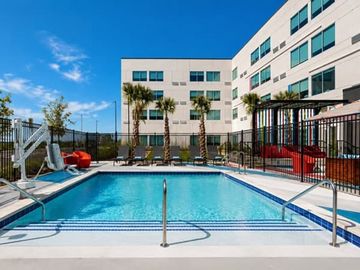
  • Hotel outdoor pool and building at a 136-room hotel in San Antonio, Texas, HydroFLOW tankless water heater case studyHotel

    San Antonio Hotel: Heater Cleaning Cut 75% at 21 GPG

    A 136-room San Antonio hotel on 357 ppm water improved hot water flow and cut heater cleaning by 75% with two HydroFLOW® i100 units.

    75%
    less heater cleaning
    Low-flow alarms now rare
    ROI under one year
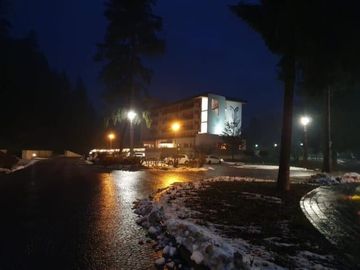
  • Grand Hotel Terme di Comano at night in Trentino, Italy, HydroFLOW hotel Legionella control case studyHotel

    Comano: Legionella Below 10 CFU/L, Within Limits for Seven Months

    Grand Hotel Terme di Comano brought every certified Legionella sample below 10 CFU/L and stayed within limits for seven months with three HydroFLOW® units.

    All samples below 10 CFU/L
    Seven months within limits
    Cleaner hot-water system reported
  • Aerial view of Half Moon high-end resort on the beach in Jamaica, HydroFLOW hot water heater scale case studyHotel

    Half Moon Jamaica: 8 Months With No Heater Removal

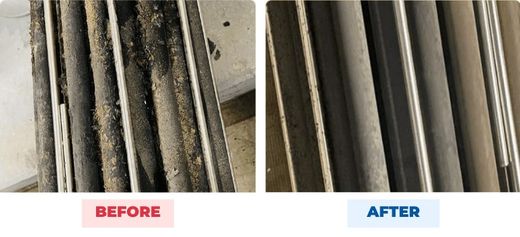
    Half Moon Resort in Jamaica went eight months without removing a hot water heater for cleaning, with one HydroFLOW® C150.

    8+ months, no heater removal
    Heater cores stayed clean
    Washer internals clear

Support & FAQ

Frequently Asked Questions

What is hotel water treatment?

Hotel water treatment is the set of measures that keep a hotel’s water systems safe, efficient and reliable — controlling Legionella in hot and cold water systems, managing hardness and limescale in calorifiers, water heaters, kitchens and laundry, and conditioning cooling, pool and spa water. In the UK the water-safety side is a legal duty under ACOP L8 and HSG274 Part 2; internationally, schemes such as ECDC’s ELDSNet tie travel-associated Legionnaires’ cases to the accommodation involved. HydroFLOW® adds a chemical-free physical layer inside that framework: it changes how minerals behave in the water so scale and biofilm stop forming on the surfaces where they cost energy, maintenance and guest satisfaction. It is not a disinfectant — the water-safety duties stay with the site.

How do hotels prevent Legionella, and who is responsible?

Legionella control in a hotel rests on a risk assessment and a written scheme: keeping hot water hot (stored at 60°C, distributed above 50°C), cold water cold, turnover regular, and outlets flushed — with monitoring to prove it. Responsibility sits with whoever controls the premises: legally the duty holder, in practice the general or facilities manager and a named responsible person. Scale and biofilm are what make the regime struggle — rough scale gives biofilm a home, and biofilm shelters bacteria from temperature and chlorine. At Grand Hotel Terme di Comano, where Legionella repeatedly returned after sanitisation, certified testing found below 10 CFU/L in every sample after HydroFLOW® was installed as part of a programme that also included thermal shock and purging — with results still within limits seven months on.

How often does a hotel need a Legionella risk assessment?

UK guidance sets no fixed interval. ACOP L8 requires the assessment to be reviewed regularly and specifically whenever there is reason to think it is no longer valid — a change to the water system, its use, key staff, or after a positive sample or a case. The often-quoted “every two years” is a habit, not a rule. What matters to the assessor is that the scheme’s controls demonstrably work; a system that stays clean of scale and biofilm makes that evidence easier to produce, because results hold between visits instead of drifting back.

Does hard water damage hotel boilers, calorifiers and water heaters?

It is the most expensive place scale can sit. Around 1 mm of scale can cut heat transfer by about 7%, paid in fuel on every litre heated — and US survey data puts water heating at roughly a fifth of a lodging building’s energy use. The maintenance cost compounds it: Redwood Inn & Suites in Alberta was spending a full maintenance day every six weeks cleaning two hot-water tanks, and a French holiday-home residence was replacing five electric heaters a year under 5 cm of scale. Treated, the Alberta tanks ran six months with no cleaning and 94% less scale accumulation; the French heaters stayed operational, saving an estimated €1,750 a year.

How do you remove limescale from a hotel hot water system?

There are three usual routes. Mechanical cleaning and acid descaling remove deposits after they have formed — at the cost of downtime, acid handling and metal loss, and the scale returns because nothing has changed in the water. Softening prevents scale downstream but removes nothing already there. HydroFLOW® works differently: with new deposits no longer forming, the water regains capacity to dissolve minerals and draws existing scale back into solution gradually, layer by layer, while the system stays in service. At the French residence the remaining scale “crumbled like sugar”; in Alberta, drains that had needed pressure-jetting flowed freely. Expect loosened material at strainers and fixtures in the first weeks — that is the system clearing.

Why is water pressure low in some rooms, or the hot water missing?

In a hard-water hotel the usual culprits are scale-blocked strainers, showerheads and aerators, and scaled heat exchangers that cannot keep up at peak demand — the rooms furthest from the plant suffer first. A 136-room San Antonio hotel reached the point of weekly low-flow alarms, guest refunds and room discounts; its water measured 21 grains per gallon. After two HydroFLOW® i100 units were installed on the mains feeding its tankless heaters, flow improved within a month, the alarms became rare, and previously clogged showerheads and aerators showed minimal debris.

Why do glasses come out of the dishwasher cloudy or spotted?

Hard water minerals dry onto glassware as spots and film, and the same minerals coat the dishwasher’s own elements and internals, so the machine washes worse as it scales. A Waikiki hotel recorded a noticeable reduction in dishwasher limescale within 60 days of fitting a HydroFLOW® S38, with significantly fewer water spots on dishes and glassware; a five-star Hong Kong hotel saw visible scale reduction on a dishwasher heater that had been cutting the machine out. Rinse chemistry stays as it is — it simply stops fighting the deposit.

Does it replace our Legionella control programme or ACOP L8 duties?

No. HydroFLOW® is not a disinfectant and does not sanitise water — your risk assessment, temperature regime, flushing routine, sampling programme and written scheme stay exactly where they are. What changes is how hard they have to work: when scale and biofilm are disrupted, temperature and chlorine reach the bacteria they are aimed at. The case studies on this page show monitoring results improving while the control scheme stays in place — never the scheme being removed.

Is it a filter, and does it change the water guests drink?

No to both. HydroFLOW® is not a filter and does not remove sediment or suspended solids — any filtration stays in place, and in the first weeks you should expect more material at strainers, not less, as existing scale releases. And nothing enters the water: the unit induces its signal through the pipe wall without contacting the flow, so composition, hardness reading and taste are unchanged — no salt, no residue, nothing for guests to notice. If your primary problem is supply quality or sediment rather than scale and biofilm, filtration and supply treatment are the answer and we will tell you so.

Can it be fitted without closing rooms?

Yes. The unit installs around the outside of the existing pipe — no cutting, no drain-down, no interruption to hot water — typically in under an hour, with the hotel operating throughout. That also makes trials straightforward: a unit on one system, measured against your own maintenance logs and sampling results, is how most of the sites on this page started. A Macau casino hotel began with a trial in 2021 and now runs eleven units across 1,500 rooms.

How quickly will we see results?

It depends what you measure. Flow and fixtures respond first — San Antonio’s flow rates began improving within a month. Cleaning intervals stretch over months: Alberta’s tanks ran six months without cleaning where six weeks had been the rule, and Half Moon Resort’s heater cores needed no removal for over eight months. Existing scale releases gradually — the Waikiki dishwasher showed a noticeable reduction at 60 days — and water-safety evidence builds through your own sampling programme, as Comano’s seven months of compliant results show. Low-usage periods do not pause it: the signal keeps working on standing water overnight and through seasonal closure.

Ready When You Are

Ready to Cut Scale, Downtime and Guest Complaints?

Tell us about your site — your systems, your water and what fails first — and our team will recommend the right units and set out what to expect, including where our assessment is that we cannot help.