Legionella Control Applications

Legionella Control

Support Your Water Safety
Disrupt Biofilm & Scale
Use Less Biocide, Less Often

HydroFLOW® disrupts the scale and biofilm that shelter Legionella in hot and cold water systems, ice machines and cooling towers. No chemicals, no cut into the pipe, fitted while the system runs, and your temperature regime, sampling and risk assessment stay exactly where they are.

  • ZeroLegionella recurrences reported since 2017, with no chemical dosing: Hotel Des Etrangers, Milan
  • ZeroLegionella alerts on the hot-water network since installation, five years on: MGEN Trois-Épis hospital, France
  • 2-logLegionella reduction (over 99%), every certified sample below 10 CFU/L: Grand Hotel Terme di Comano, Italy
  • 2-logCooling-tower bio-count reduction within days, to below 1,000 CFU: US office complex

Results from documented case studies, measured alongside each site's existing control scheme; they vary by system, water and baseline. View all Legionella case studies →

Why Legionella Keeps Coming Back: Scale and Biofilm Shelter It

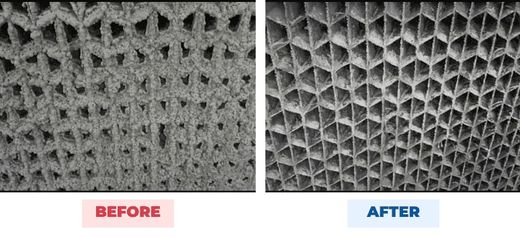
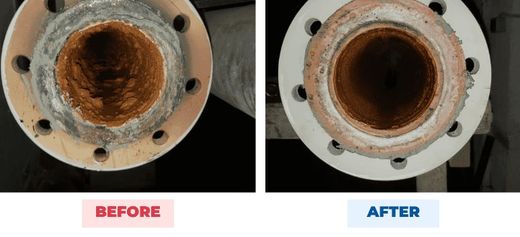
Legionella grows in warm water, but it survives in biofilm, the slime layer that forms on pipe walls, shower hoses, calorifiers and cooling-tower fill, often on a base of scale. Scale also costs the plant: it insulates calorifiers and heaters, so holding 60°C at storage and 50°C at outlets takes more energy. Biofilm shields bacteria from heat and biocide, which is why results clear after disinfection and then drift back. At a 55-room Italian spa hotel, contamination returned after every sanitisation, and at a Milan hotel, Legionella kept recurring in pipework too old to take chlorine.

Typical signs a water system is sheltering Legionella:

  • Positive samples that clear after a thermal or chemical disinfection, then return
  • Calorifiers and water heaters struggling to hold 60°C as scale builds on the coils
  • Outlets slow to reach temperature, and shower heads or TMVs crusting between descales
  • Slime in ice machines, strainers, shower hoses and cooling-tower basins
  • Cooling-tower bio-counts that need ever-higher biocide doses to hold
  • A growing flushing log for dead legs, low-use outlets and weekend stagnation
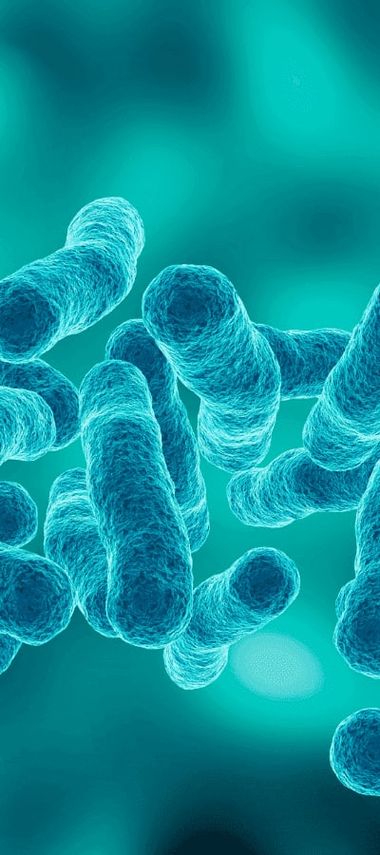
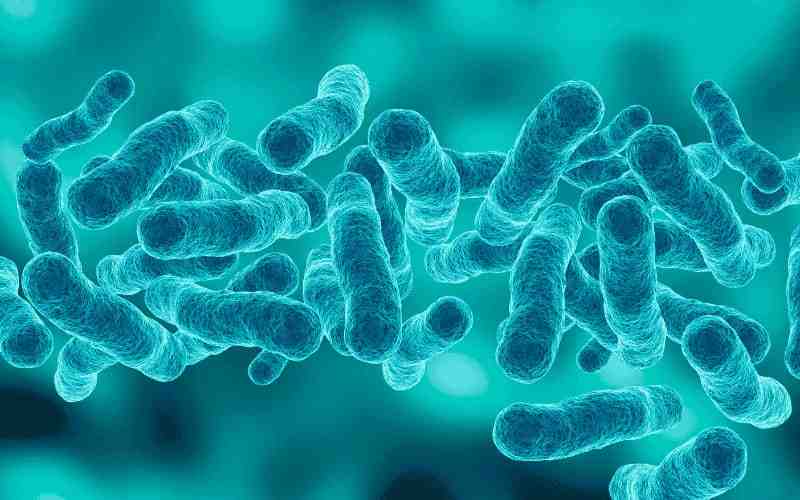
Illustration of rod-shaped Legionella bacteria

Just 1 mm of scale can cut heat-transfer efficiency by around 7%. In a calorifier, that is energy spent holding 60°C, and a thinner margin before stored water drifts into the 20–45°C range where Legionella multiplies.

Why Legionella Control Is a Rising Priority

Legionella can be present in almost any building water system: hot and cold services, calorifiers, showers, ice machines, spas and cooling towers. It becomes a hazard when it multiplies and is breathed in as fine droplets. Controlling it is a legal duty, not a preference. In the UK, ACOP L8 and HSG274 place it on whoever controls the premises; in the US, ASHRAE Standard 188 and the CDC's water management programme guidance set the same expectation.

  • 3.4 cases per 100,000 in Europe

    Europe's Legionnaires' disease notification rate rose to 3.4 per 100,000 in 2024, up from 3.2 the year before, with France, Germany, Italy and Spain reporting 71% of cases. US reported cases have been rising since the early 2000s.

  • 1 in 4 fatal in healthcare settings

    The CDC puts deaths at about 1 in 10 people who get Legionnaires' disease, rising to about 1 in 4 when it is caught in a healthcare facility. Hospitals, care homes and hotels carry the most exposure and the most scrutiny.

  • Outbreaks trace to water management

    In CDC reviews of US outbreaks, every water-management failure found was preventable with a properly run programme. 43% of the buildings had no programme at all, and 40% had one that was not being followed.

Interpreting the claims on this page: water-safety figures deserve scrutiny, so this page hedges where its sources hedge. HydroFLOW® is not a disinfectant and does not kill Legionella. Your risk assessment, temperature regime, flushing, biocide and sampling programme stay exactly where they are. What the case studies show is narrower and more useful: when scale stops forming and biofilm is disrupted, the existing controls reach the bacteria they are aimed at. At Grand Hotel Terme di Comano, alongside thermal shock and purging, Legionella fell from 10³–10⁴ CFU/L to below 10 CFU/L in every certified sample: a reduction of at least two logs, still within limits seven months after the last thermal shock. Every figure here traces to a published case study.

Where Legionella Control Breaks Down

Most Legionella problems are not a failure of the control scheme but of the surfaces it has to work on. Scale and biofilm build up in the places heat and biocide struggle to reach, and the same four patterns show up across hospitals, hotels and commercial buildings.

  • Hot Water Systems That Keep Testing Positive

    Thermal shocks and chlorination clear the water for a while, but biofilm left in the pipework reseeds it.

    ✓ With Hydropath Alongside thermal shock and purging, Grand Hotel Terme di Comano recorded every sample below 10 CFU/L, still in limits seven months later.

  • Hospital Potable Water Above Target

    Flushing and replacing fittings is costly, and the next step is often a new treatment plant.

    ✓ With Hydropath At an Indiana hospital, most samples were non-detectable within 16 days and a proposed $75,000 system was not needed.

  • Cooling Towers Held Only by Biocide

    Warm, aerated tower water grows biofilm on fill and basins, so doses climb just to hold the count.

    ✓ With Hydropath A California hospital cut biocide use by 75% while holding counts below 1,000 CFU.

  • Ice Machines & Outlets Harbouring Biofilm

    Ice machines, shower hoses and low-use outlets hide biofilm that routine cleaning does not reach.

    ✓ With Hydropath At a US hospital, hidden biofilm released within 3 weeks, and all 112 ice machines were then treated.

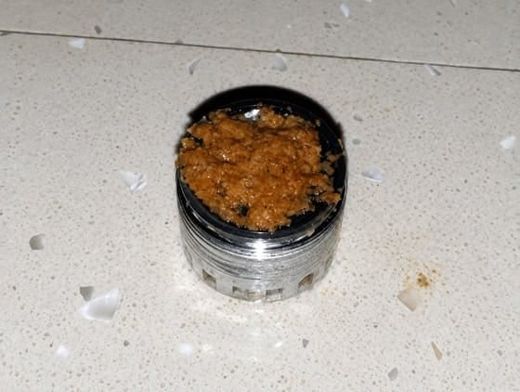
Tap jet breaker completely blocked by orange-brown biofilm before HydroFLOW treatment, Grand Hotel Terme di Comano, Trentino, ItalyBefore
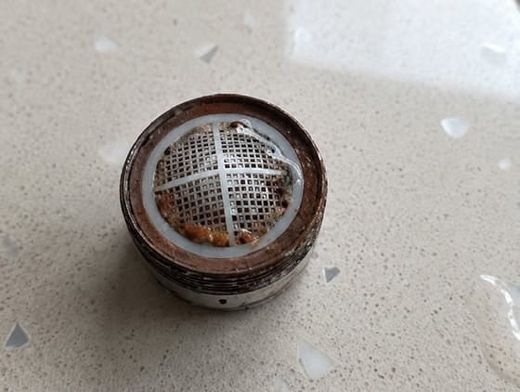
The same jet breaker cleared of biofilm after HydroFLOW treatment, mesh visible, Grand Hotel Terme di Comano, Trentino, ItalyAfter

Grand Hotel Terme di Comano, Italy: biofilm had blocked the tap jet breakers, and Legionella returned after every sanitisation. With HydroFLOW® units on the incoming main and both hot-water manifolds, alongside thermal shock and purging, certified testing found every sample below 10 CFU/L, still within limits seven months after the last thermal shock. Read the case study →

Where the Savings Add Up

Legionella control is paid for in repeat disinfections, biocide, water, cleaning hours, energy and treatment plant. These are the six lines where sites have measured a difference.

Don’t take our word for it. Test it on your own system.

Every result on this page came from a site's own records. Start the same way: one unit on one system, with your control scheme unchanged, measured against your own sampling results, temperature logs and chemical use.

Legionella Water Treatment Physical, Not Chemical!

A physical treatment for the scale and biofilm that shelter Legionella in hot and cold water systems, ice machines and cooling towers, powered by a patented electronic signal

HydroFLOW® induces a patented ~150 kHz signal into the water through the pipe wall. The signal changes how dissolved minerals behave, so calcium and magnesium crystallise in suspension instead of bonding to calorifier coils, pipe walls and tower fill as hard scale. It also disrupts the conditions biofilm needs to bond to surfaces, so existing biofilm loosens and is carried away rather than thickening on the walls.

That matters because Legionella control rests on temperature, flow and clean surfaces. Clean heat-transfer surfaces make it easier to hold 60°C at storage, and clean pipe walls leave bacteria less shelter from the heat or biocide already in the system. The signal propagates in both directions through the pipework from a single point, on copper, steel and plastic alike, and keeps working on water standing in low-use outlets, dead legs and weekend shutdowns: the stagnant periods when biofilm consolidates.

So does it replace your disinfection? No. HydroFLOW® is not a disinfectant and does not kill Legionella. Your risk assessment, temperature regime, flushing, biocide and sampling programme stay exactly as they are. Nothing enters the water, so its composition and taste are unchanged and there is nothing new for your water safety plan to declare. We can supply the technical documentation your risk assessor or water treatment contractor asks for.

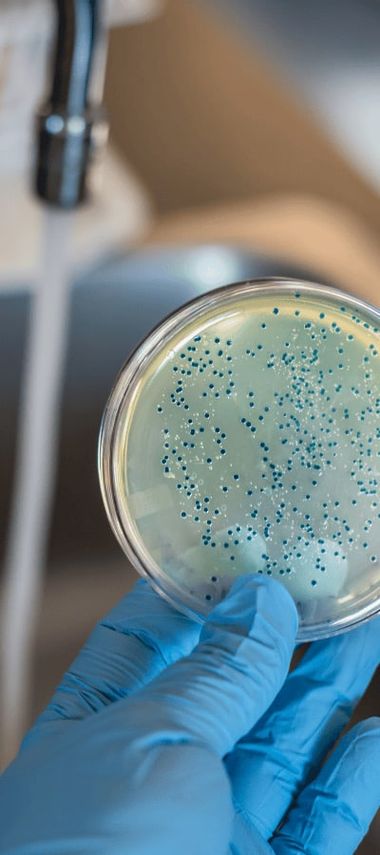
Gloved hand holding a culture plate of bacterial colonies beside a running tap

One Technology — Cleaner Surfaces, Fewer Places to Hide Legionella

How scale and biofilm leave a treated system, what to expect in the first weeks, and what a long-term record looks like.

  • Gradual, With a Clearing Phase

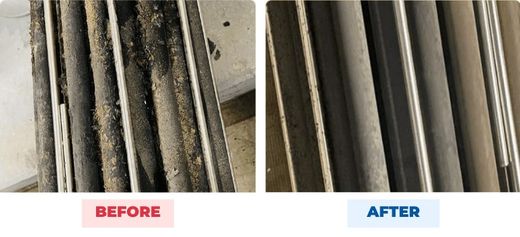
    Removal is progressive: no acid, no drain-down, no metal thinned by a descale. Expect loosened material at strainers, filters and shower heads in the first weeks, and plan extra sampling. At Comano, counts rose briefly as old biofilm released, before every sample fell below 10 CFU/L; in Milan, detached deposits showed up at the taps.

  • Measured Over Five Years

    At MGEN Trois-Épis, twelve units replaced six salt softeners on a hospital hot-water system fed by water at about 330 ppm. Five years on, there has been no limescale maintenance and no scale-related pipe blockage, and where a few Legionella alerts used to occur each year, none has been detected since installation.

How the Legionella Control Methods Compare

HydroFLOW® is not an alternative to disinfection. This is how it sits alongside the methods your risk assessment may already specify.

HydroFLOW®Physical treatment, works alongsideTemperature control & thermal disinfectionChlorine dioxide dosingCopper-silver ionisationPoint-of-use filters
How it worksElectronic signal keeps minerals crystallising in suspension and disrupts the conditions biofilm needs to bondStore hot water at 60°C or above, distribute at 50°C or above, keep cold below 20°C; periodic heat-and-flush disinfectionAn oxidising biocide dosed continuously into the supplyA flow cell releases copper and silver ions into the waterA membrane filter fitted at each tap or shower
Acts on Legionella directlyIndirect Not a disinfectant. Reduces the scale and biofilm that shelter bacteriaYes Heat stops growth; disinfection raises temperature furtherYes Biocidal residual through the systemYes Metal ions act on bacteria in the waterAt the outlet Retains bacteria at that fitting only
Effect on biofilmDisrupts Existing biofilm loosens and leaves; new biofilm struggles to bondPartial Biofilm can shelter bacteria from heat, so results may drift backGood Penetrates biofilm, but must be kept at the right residualPartial Depends on keeping ion levels in rangeNone No effect on biofilm in the pipework upstream
Effect on scaleReduces Stops new scale bonding and gradually removes existing depositsWorse Higher temperatures speed up scaling in hard-water areasNone Not a scale treatmentNone Scale on electrodes needs cleaningWorse Filters block faster in hard water
What goes into the waterNothing Composition and taste unchangedHeat Scald risk managed with TMVsChemical Residual and by-products to monitorMetal ions Copper and silver levels to monitorNothing
Running costsNone No consumables, no dosing, no servicing scheduleEnergy Heating to hold temperature, plus logging and flushing labourOngoing Chemical supply, dosing equipment and residual testingOngoing Electrode replacement and ion testingHigh Filter replacement at every protected outlet
Fits an L8 / water management schemeAlongside Supports the scheme; risk assessment, temperatures and sampling stayCore The primary control in most UK schemesYes A recognised control optionYes A recognised control optionTargeted Usually for high-risk outlets or as an interim measure
Downtime to fitNone Installs around the existing pipe; no cut-in, no drain-downVaries Needs plant that can reach temperature; disinfection means flushing every outletCut-in Injection point, dosing pump and chemical storageCut-in Flow cell on the pipework plus a controllerPer outlet Fitted outlet by outlet

Comparison reflects typical products in each category; individual systems vary. HydroFLOW® is not a filter and not a disinfectant. It does not replace temperature control, biocide or ionisation where your risk assessment specifies them, it does not replace sampling, and ACOP L8 / HSG274 duties remain in place.

Applications

Legionella control applications

Legionella risk follows water wherever it is stored warm, left standing or sprayed as droplets. Each sector links to its dedicated page.

Related problems have pages of their own: biofouling & biofilm, limescale, ice makers and pools & spas. For the science, see how HydroFLOW® works.

Process Overview

Simple Installation. Supply Stays Live.

Our patented technology retrofits onto your existing pipework without changing your control scheme.

  • 1

    The Fit

    The HydroFLOW® unit installs around your existing pipework, on the incoming main, a calorifier feed or a tower recirculation line, with no cutting and no drain-down. The supply stays live, and your temperature regime, flushing and sampling carry on unchanged.

  • 2

    The Signal

    A patented electronic signal propagates in both directions through the water, treating the circuit from a single point. It works through copper, steel and plastic, and keeps working on water standing in low-use outlets, dead legs and weekend shutdowns.

Proven On Site

Real Systems. Real Results.

Drawn from certified testing, site sampling records and our customers’ own logs across hospitals, hotels and commercial cooling.

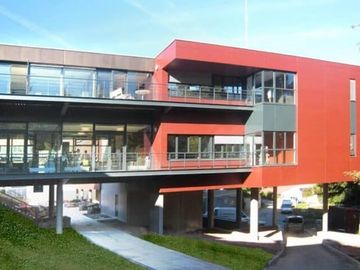
  • MGEN Trois-Épis centre in France, where HydroFLOW treats the domestic hot water heat exchangersHospital

    MGEN Trois-Épis: Hospital Hot Water Scale Free for 5 Years

    The 206-bed MGEN Trois-Épis rehabilitation centre replaced six salt softeners with 12 HydroFLOW® units and has had five years with no limescale maintenance.

    5 years
    scale-free
    Zero pipe blockages
    95%
    calculated OPEX saving
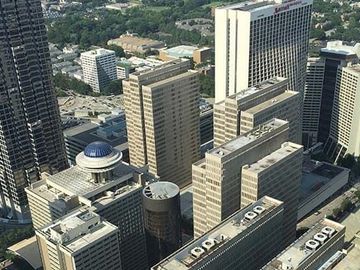
  • Aerial view of a US office complex skyline, HydroFLOW cooling tower water treatment case studyCommercial & HVAC

    US Office Complex: Bio-Counts 100,000 to Under 1,000

    A 2.3 million sq ft US office complex cut cooling tower bio-counts from 100,000 CFU to below 1,000 within days with one HydroFLOW® Custom 14 inch unit.

    Over 99% lower bio-count
    Below 1,000 CFU within days
    Estimated 6 month ROI
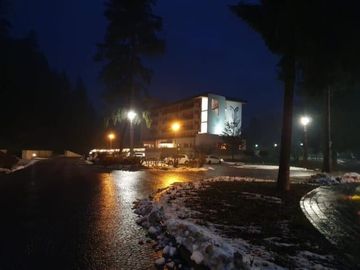
  • Grand Hotel Terme di Comano at night in Trentino, Italy, HydroFLOW hotel Legionella control case studyHotel

    Comano: Legionella Below 10 CFU/L, Within Limits for Seven Months

    Grand Hotel Terme di Comano brought every certified Legionella sample below 10 CFU/L and stayed within limits for seven months with three HydroFLOW® units.

    All samples below 10 CFU/L
    Seven months within limits
    Cleaner hot-water system reported

Support & FAQ

Frequently Asked Questions

What is Legionella and where does it grow?

Legionella is a waterborne bacterium that causes Legionnaires’ disease when people breathe in contaminated droplets from showers, taps, cooling towers or spas. It is not usually spread from person to person. It multiplies in water between about 20°C and 45°C, and it survives in biofilm: the slime layer that forms inside pipework, calorifiers, shower hoses, ice machines and cooling-tower fill, often on a base of scale. That is why control focuses on three things: temperature, flow and clean surfaces.

What kills Legionella in water?

Heat and biocides. Water held above 60°C stops Legionella multiplying, and thermal disinfection raises the temperature further for a set time. Chlorine, chlorine dioxide, and copper-silver ionisation are the common chemical and ion-based controls, and HSE lists ionisation and chlorine dioxide as options. HydroFLOW® is not one of them: it does not kill Legionella. What it does is reduce the scale and biofilm that shelter bacteria from those controls, so the heat or biocide already in your system can reach them.

What temperature stops Legionella growing?

HSE guidance for hot and cold water systems is to store hot water at 60°C or higher, distribute it at 50°C or higher, and keep cold water below 20°C, because Legionella multiplies in the range between. Scale makes those figures harder to hold: around 1 mm on a calorifier coil can cut heat transfer by about 7%, so the plant works harder to reach temperature and stored water has less margin. Keeping heat-transfer surfaces clean is one of the simplest ways to protect the temperature regime. At MGEN Trois-Épis, a French hospital, the plate exchanger was still free of limescale after five years of treatment.

Why does biofilm make Legionella harder to control?

Biofilm is a layer of microbes and the slime they produce, bonded to pipe walls and other wet surfaces. Legionella lives inside it and inside the amoebae that graze on it, where it is shielded from heat and biocide. That is why a system can test clear after disinfection and then test positive again weeks later: the biofilm reseeds the water. HydroFLOW® disrupts the conditions biofilm needs to bond to surfaces, so existing biofilm loosens and is carried away. At a US hospital, biofilm that routine cleaning had missed was released from its ice machines within three weeks.

How does scale increase Legionella risk?

In two ways. Rough scale gives biofilm a large, sheltered surface to anchor to, in calorifiers, shower heads, TMVs and tower fill. And scale insulates heat-transfer surfaces, so hot water is harder to hold at temperature. HSE asks for shower heads and hoses to be cleaned and descaled at least quarterly for this reason. Treating scale at source reduces both effects: at the Palace of Parliament in Bucharest, visual inspection found about 50% less biofouling in hot-water pipework after six months.

How do you control Legionella in cooling towers?

Cooling towers are warm, aerated and full of surface area, so they need a biocide programme, monitoring and regular cleaning under the site’s risk assessment. Those stay. HydroFLOW® reduces the scale and biofilm on fill, basins and condensers that biocide has to fight through. At a California hospital, biocide use fell by 75% with counts below 1,000 CFU, and blowdown fell by over 65%. At a large US office complex, bio-counts fell from approximately 100,000 CFU to below 1,000 within days. These are total bio-counts, measured alongside each site’s own programme.

What is an acceptable level of Legionella in water?

There is no single figure for every system. Action levels are set by national guidance and by your own risk assessment, and they differ between hot and cold water, cooling towers and healthcare settings. Any positive result should be reviewed with whoever manages your scheme. For reference, the sites on this page worked to their own targets: an Indiana hospital aimed for below 1 CFU/mL and reached it within 16 days, Grand Hotel Terme di Comano recorded every sample below 10 CFU/L, and a US office complex’s cooling tower targeted a total bio-count below 10,000 CFU.

Is Legionella control a legal requirement?

Yes, in most markets. In the UK, the Health and Safety at Work Act and COSHH apply, and the HSE‘s ACOP L8 and HSG274 set out how: a risk assessment, a written control scheme, a responsible person, and records. In the US, ASHRAE Standard 188 and the CDC’s water management programme guidance set the expectation, and many states and cities regulate cooling towers directly. HydroFLOW® fits inside that scheme as a supporting measure. It does not replace any part of it, and it does not reduce your duty to test.

Does electronic water conditioning kill Legionella?

No, and we would be wary of anyone who claims it does. HydroFLOW® is not a disinfectant, and scepticism about electronic water treatment is often earned: the market has plenty of low-cost wrap-around devices with little evidence behind them. What we can show is narrower. The unit induces a patented ~150 kHz signal into the water, sized to the pipe and the application, and it reduces the scale and biofilm that shelter bacteria. Sites that kept their control scheme in place recorded the results on this page, including an Indiana hospital where Legionella fell from an average of 7 CFU/mL to below 1 CFU/mL. At a US apple packer, counts rose again when the signal was switched off. Judge it on a trial against your own sampling.

Can HydroFLOW replace chlorine dioxide, ionisation or thermal disinfection?

No. If your risk assessment specifies a biocide, ionisation or a thermal regime, it stays. What sites have found is that they needed less of it: a California hospital cut cooling-tower biocide by 75%, and a US apple packer held non-detect results at 10 ppm chlorine instead of 40 to 50 ppm. At Comano, HydroFLOW® was installed as part of a programme that also included thermal shock and purging. One site on this page does run without chemicals, and it had a reason: at Hotel Des Etrangers in Milan, the ageing pipework could not take chlorine, so the hotel chose HydroFLOW® with no chemical dosing in December 2017, and no Legionella recurrence has been reported since. That was the site’s decision for its own system. Any change to your scheme is a decision for your responsible person, based on your own results.

Can it be fitted without shutting down the water system?

Yes. The unit installs around the outside of the existing pipe, with no cutting, no drain-down and no interruption to supply. At MGEN Trois-Épis, twelve units went in on one day without interrupting the hospital’s water service. Plan for the clearing phase: as scale and biofilm release, expect more material at strainers, filters and shower heads in the first weeks, and possibly a short rise in counts. Comano recorded exactly that before every sample fell below 10 CFU/L, and in Milan the detached deposits appeared at the taps, so schedule extra sampling and outlet flushing after installation. That also makes a trial straightforward: one unit on one system, measured against your own results.

Ready When You Are

Ready to Take Scale and Biofilm Out of Your Legionella Risk?

Tell us about your site, its water systems and where positive samples or slime keep appearing. Our team will recommend the right units and set out what to expect, including where our assessment is that we cannot help. This is not a Legionella risk assessment, and it sits alongside yours.