KEY RESULTS
- RO output doubled in 15 days
- ~67% lower permeate conductivity
- 4 more
- units ordered

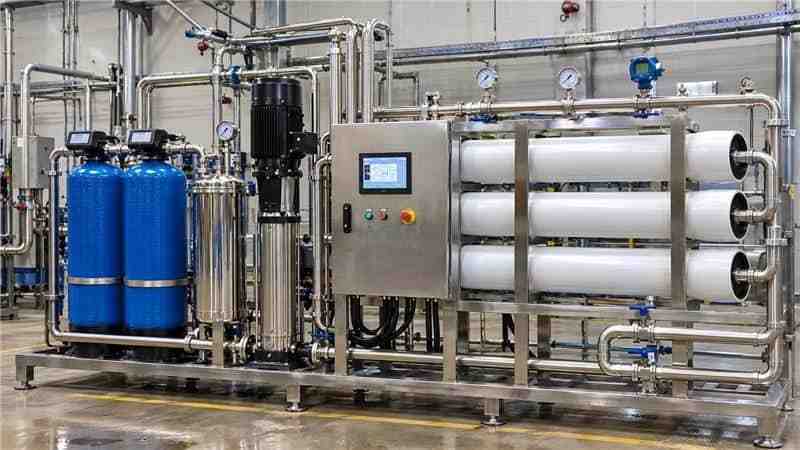
At a PCB factory in Guangdong, HydroFLOW® treatment helped restore reverse osmosis performance, doubling output from 12 to 24 tonnes an hour within 15 days and cutting permeate conductivity by about two-thirds, with lower pumping pressure. The original study also reported estimated savings of 17,000 tonnes of water and 172,800 kWh of pumping energy a year. Following the trial, the factory ordered four more HydroFLOW® units.
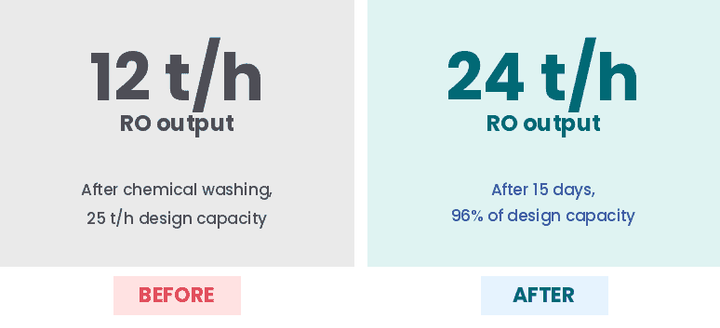
PCB wastewater reverse osmosis was falling well short of its design at a printed circuit board factory in Guangdong, China, which treats its production wastewater by RO so it can be reused in cooling towers and for cleaning. The RO system was designed for 25 tonnes an hour, but scale meant it produced only 12 tonnes an hour even after a chemical wash, dropping to 8.5 tonnes an hour within 30 days, and permeate conductivity was around 45 µS. A HydroFLOW® unit was installed on the RO system and evaluated over 15 days. Output rose by 50% within a day and reached 24 tonnes an hour by day 15, with lower pumping pressure and permeate conductivity down by about two-thirds.
The Challenges
- PCB wastewater reverse osmosis output was 12 t/h even after chemical washing, against a 25 t/h design
- Scale could cut throughput to 8.5 t/h within 30 days
- Permeate conductivity was around 45 µS
- Treated wastewater was reused in cooling and cleaning applications
To see whether PCB wastewater reverse osmosis could be brought back towards its design output, the unit was fitted to the factory’s RO system and RO output, pumping pressure and permeate conductivity were monitored over the 15-day evaluation. Flow held near 24 t/h for ten days, then fell to 18 t/h after two months.
All results in this study were measured and verified by third-party facilities managers and technical staff.
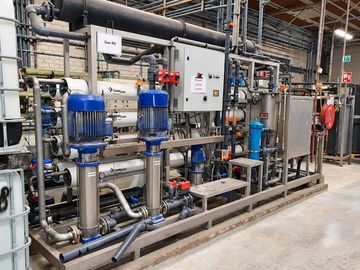
HydroFLOW® slowed RO permeate-flow decline by about 70% at an Eindhoven coatings factory, holding 4,400 L/h after four weeks. Both units were bought.
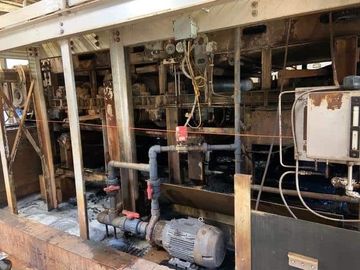
A HydroFLOW® i160 trial on a Guelph WWTP belt press recorded no new struvite over 60+ days, while maintenance downtime fell from three days to six hours.
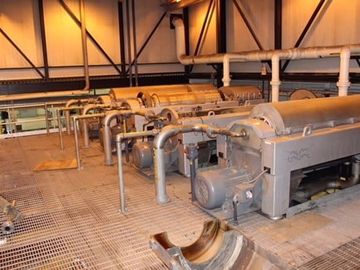
A HydroFLOW® i160 kept centrifuge ports and centrate pipework clear of struvite at Hamilton’s Woodward Avenue WWTP, with payback under a year.