KEY RESULTS
- 200
- l/hr polymer saved
- 18%
- cake solids maintained
- Instant floc response

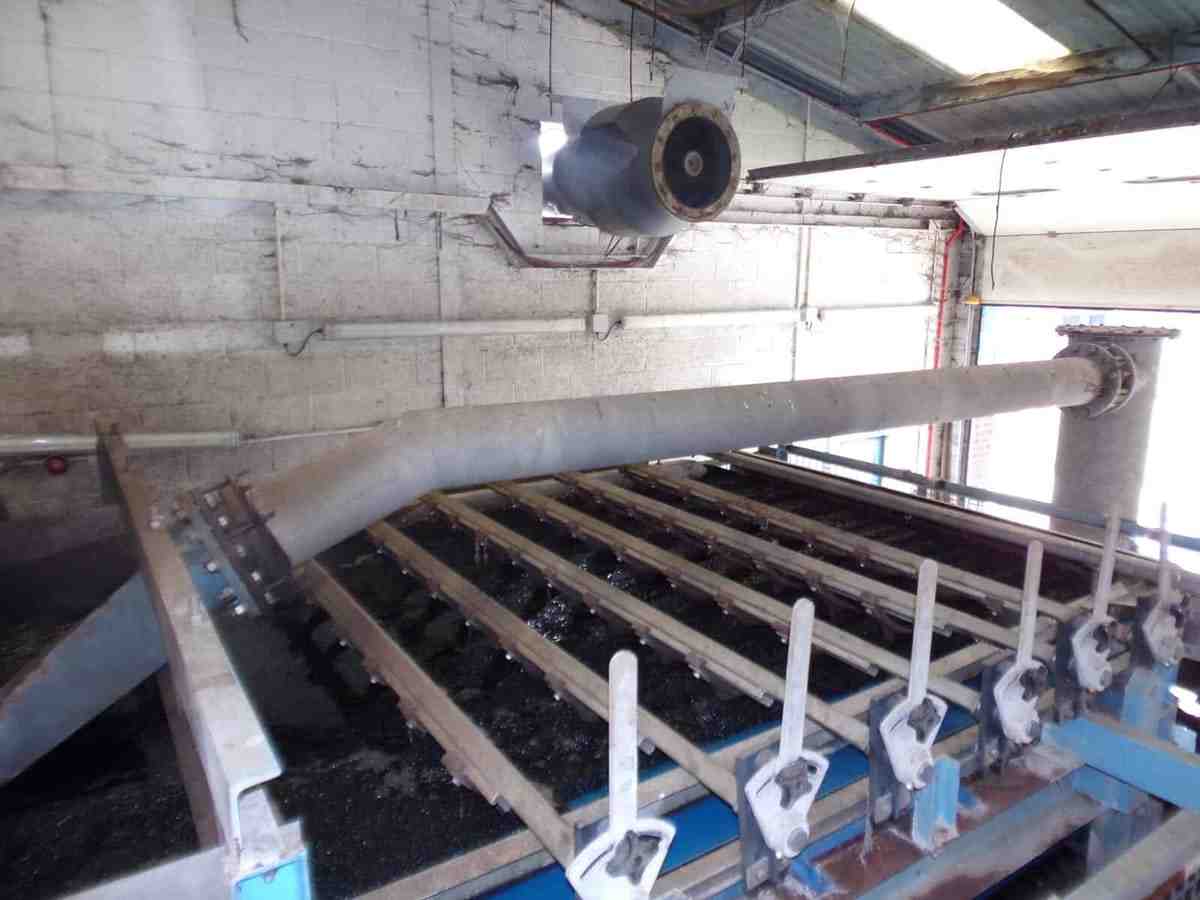
Polymer use on the belt press fell by 200 litres an hour, with stable floc and stable operation at reduced dosing. The floc broke down rapidly when the unit was turned off, confirming the treatment effect, and stable operation was achieved over a wider dosing range.
A belt press polymer saving was out of reach at Banbury wastewater treatment works, because any cut in dosing risked floc breakdown and an unstable press. High polymer dosing was needed simply to hold the floc stable. One HydroFLOW® i120 was fitted to the sludge feed pipe and tested across stepwise dosing reductions. The floc held and belt press operation was stable at reduced dosing. When the unit was switched off, the floc broke down rapidly, confirming the treatment effect. The saving reached 200 litres of polymer an hour.
The Challenges
- A belt press polymer saving was blocked by floc going unstable at lower dosing
- High polymer dosing was required to hold floc stability
- Any reduction in dosing risked floc breakdown
- Belt press operation became unstable when dosing dropped
To test whether a belt press polymer saving was real, the unit was fitted to the sludge feed pipe and polymer dosing was reduced in steps. The treatment improved floc stability, allowing reduced polymer dosing while maintaining operation. When the unit was turned off, the floc broke down rapidly, confirming the treatment effect.
All results in this study were measured and verified by third-party facilities managers and technical staff.
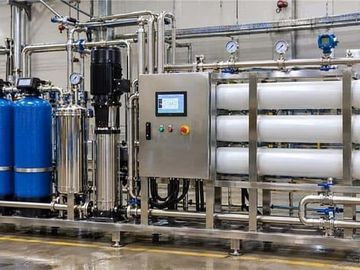
HydroFLOW® helped double RO output from 12 to 24 tonnes an hour in 15 days at a Guangdong PCB factory, with permeate conductivity down about two-thirds.
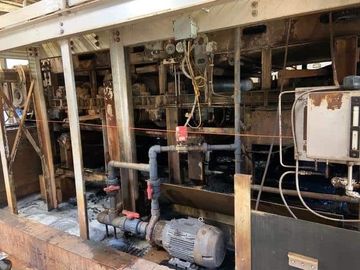
A HydroFLOW® i160 trial on a Guelph WWTP belt press recorded no new struvite over 60+ days, while maintenance downtime fell from three days to six hours.
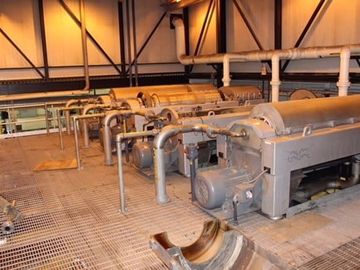
A HydroFLOW® i160 kept centrifuge ports and centrate pipework clear of struvite at Hamilton’s Woodward Avenue WWTP, with payback under a year.